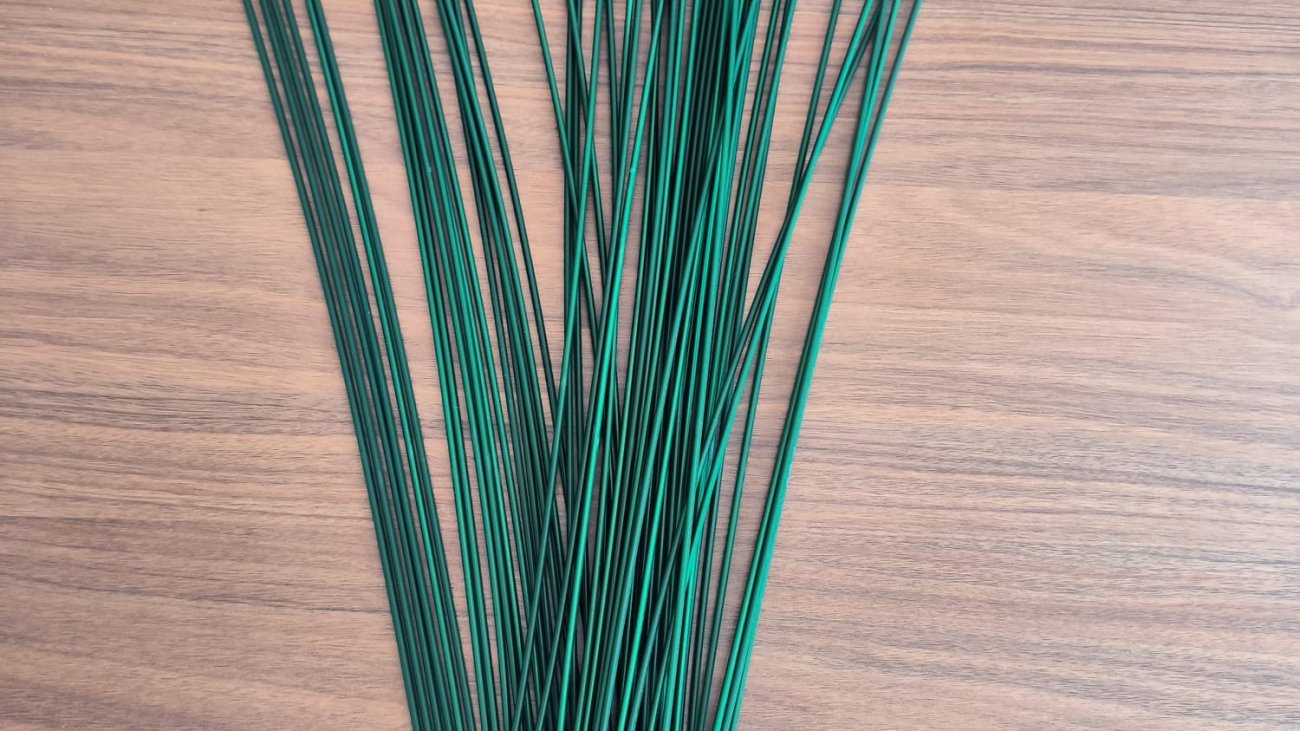
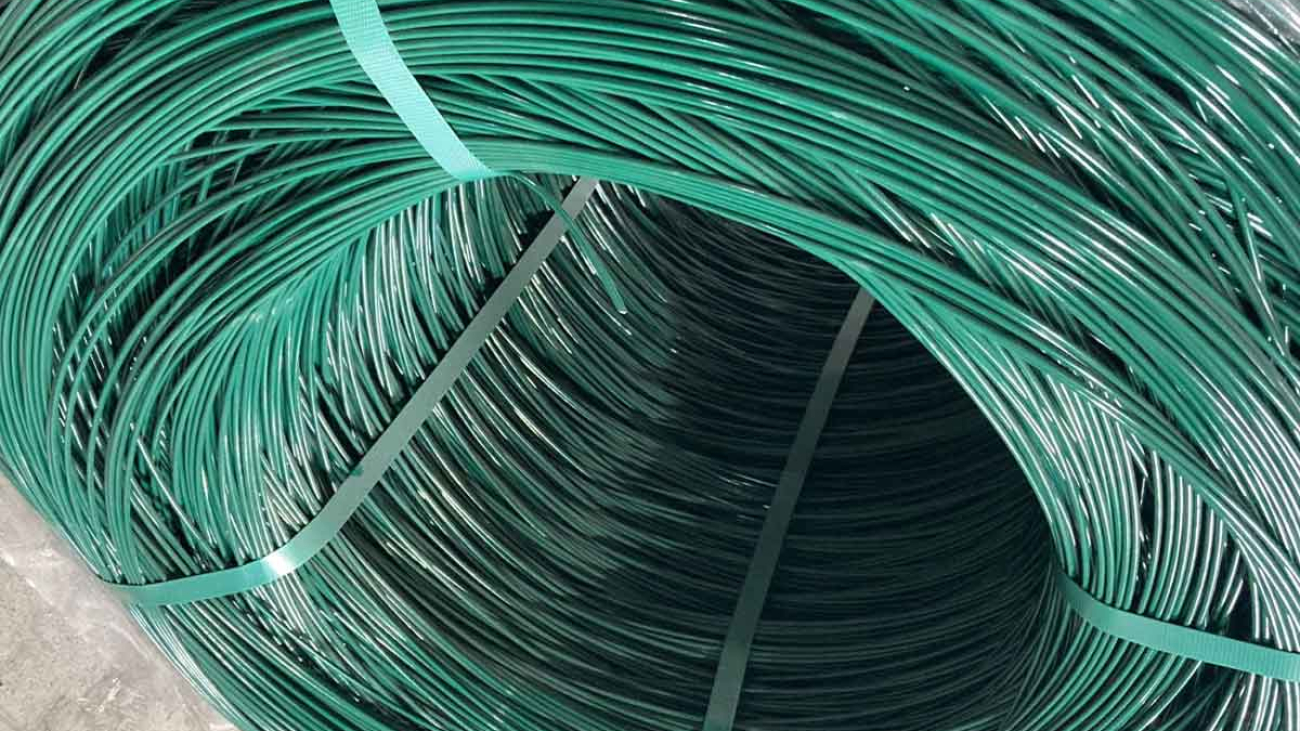
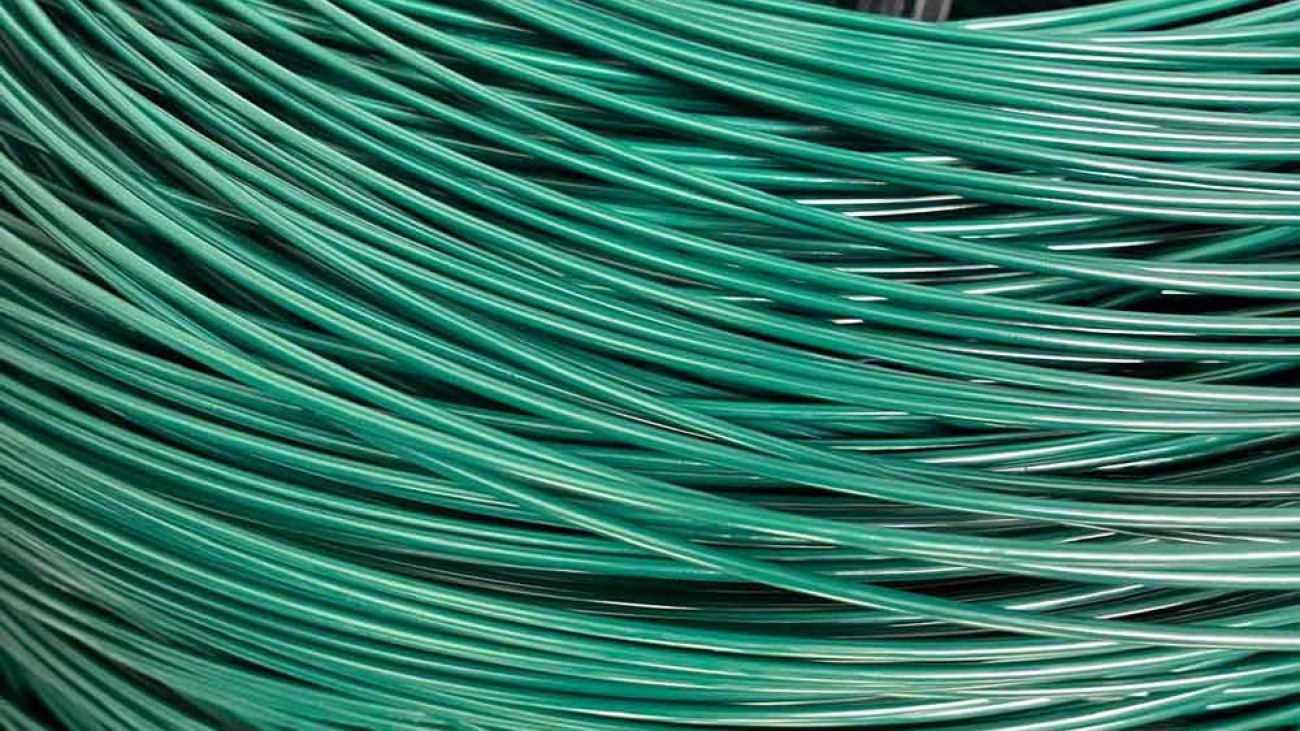
PVC coated wires are widely used in fencing systems, agricultural applications, industrial uses, and outdoor solutions. To ensure long-lasting performance and suitability for your intended application, several key factors should be carefully evaluated before purchasing. Below are the 7 most critical points to consider when buying PVC coated wire:
1️⃣ Core Wire Material (Steel Quality)
The material of the core wire beneath the PVC coating directly affects strength and durability. Options such as low-carbon steel, galvanized steel, or stainless steel provide different performance levels. High-quality steel minimizes the risk of breakage and deformation.
2️⃣ Galvanization Thickness
In PVC coated wires, the galvanized layer acts as the first line of defense against corrosion. Insufficient galvanization may lead to rust formation beneath the PVC coating over time. For extended service life, wires with high zinc coating thickness should be preferred.
3️⃣ PVC Coating Thickness and Uniformity
The PVC coating must be evenly and consistently applied over the wire. Thin or uneven coatings can cause cracking, peeling, and color fading. For outdoor use, thick and UV-resistant PVC coatings are especially important.
4️⃣ UV and Weather Resistance
Sunlight, rain, snow, and humidity can significantly affect the lifespan of PVC coated wires. PVC coatings with UV stabilizers help prevent discoloration, brittleness, and material degradation, ensuring long-term outdoor performance.
5️⃣ Wire Diameter and Total Thickness
The core wire diameter combined with the PVC coating thickness should be selected according to the intended application. Thicker wires are recommended for fencing and security purposes, while thinner wires may be sufficient for binding and agricultural uses.
6️⃣ Suitability for Intended Use
PVC coated wire is used in a variety of applications, including garden fencing, animal enclosures, binding wire, and industrial installations. The required flexibility, strength, and aesthetic qualities should match the specific usage area.
7️⃣ Manufacturer Reliability and Certification
PVC coated wires sourced from reputable manufacturers are produced in compliance with TS, EN, and ISO standards. Certified products provide consistent quality, regulatory compliance, and long-term cost advantages.
Conclusion
When selecting PVC coated wire, decisions should not be based on price alone. Steel quality, galvanization level, PVC coating properties, UV resistance, and manufacturer credibility are essential factors for long-lasting, reliable, and cost-effective solutions.
Plastic-coated steel wire ropes offer longer service life, higher safety, and wider usability compared to standard steel wire ropes. Thanks to the plastic coating applied to the outer surface, the wire rope gains strong protection against external factors while maintaining the mechanical strength of the steel core.
These wire ropes are widely preferred in outdoor applications, industrial systems, agricultural projects, security installations, and architectural designs due to their durability and versatility.
What Is Plastic-Coated Steel Wire Rope?
Plastic-coated steel wire rope consists of a high-tensile steel wire core coated with PVC or similar plastic materials. This coating acts as a protective layer that prevents direct contact between the steel and environmental elements such as moisture, chemicals, dust, and UV rays.
As a result, the rope maintains its structural integrity for a much longer time compared to uncoated steel wire ropes.
Key Advantages of Plastic-Coated Steel Wire Rope
1. High Resistance to Corrosion
The plastic coating prevents water, humidity, salt, and chemicals from reaching the steel surface. This significantly reduces corrosion and rust formation, especially in outdoor and marine environments.
Ideal for:
Coastal areas
Humid and rainy climates
Agricultural and greenhouse systems
2. Long Service Life and Low Maintenance Cost
Plastic-coated wire ropes experience less wear and abrasion. Since oxidation and surface damage are minimized, the need for frequent replacement and maintenance is reduced.
This provides long-term cost savings for industrial and commercial users.
3. Enhanced Safety and User-Friendly Structure
The plastic layer covers sharp wire edges and minimizes direct metal contact. This greatly reduces the risk of cuts, injuries, and accidents during handling and installation.
Common applications:
Safety barriers
Playgrounds
Fence and railing systems
4. Aesthetic Appearance and Color Options
Plastic-coated steel wire ropes are available in various colors such as green, black, white, and gray. This makes them suitable not only for technical applications but also for decorative and architectural projects.
They blend easily with modern designs and outdoor environments.
5. Flexibility and Quiet Operation
The plastic coating reduces friction between moving parts and lowers noise levels during operation. This allows smoother movement over pulleys and rollers while maintaining flexibility.
6. Wide Range of Applications
Plastic-coated steel wire ropes are used in many industries, including:
Fencing and mesh systems
Agriculture and livestock farming
Industrial machinery
Security and protection systems
Architectural and decorative projects
Signage and advertising suspension systems
Factors to Consider When Choosing Plastic-Coated Wire Rope
To ensure optimal performance, the following criteria should be evaluated:
Wire diameter
Tensile strength of the steel core
Thickness and quality of plastic coating
Indoor or outdoor usage conditions
UV and weather resistance
Choosing the right specifications maximizes safety, durability, and efficiency.
Conclusion
Plastic-coated steel wire ropes combine strength, safety, durability, and visual appeal in a single product. When manufactured with high-quality materials and proper coating techniques, they offer reliable performance for both industrial and decorative applications.
Special Diameter and Custom Color PVC-Coated Wire Production – HBS Plastik Denizli
HBS Plastik is a specialized manufacturer in Denizli producing PVC-coated wires in custom diameters and colors. The company offers solutions for both industrial and decorative applications by manufacturing wires in various thicknesses and colors according to customer needs.
Advantages:
Production in any requested diameter (1 mm – 8 mm and above)
Custom colors matching RAL codes
High durability against corrosion, UV rays, and mechanical impact
Flexible and long-lasting PVC coating
Bulk production and fast delivery
Suitable for multiple industries: wire mesh, hangers, binding wire, garden equipment, home & industrial use
Why Are 2 mm – 3 mm PVC Coated Wires in High Demand?
PVC coated wires, especially those in 2 mm and 3 mm thickness, are widely preferred across many industries. The main reasons for this high demand include:
1. High resistance to external factors
The PVC coating protects the steel wire from rust and moisture. This provides:
Long service life
Excellent durability against rain, snow, and sunlight
2. Corrosion resistance
Thanks to the PVC layer, the wire does not rust and its surface does not deteriorate. This is a major advantage, especially for outdoor applications.
3. Aesthetic appearance
PVC coated wires are commonly produced in colors such as green, black, and gray. This brings a more aesthetic look to garden, park, and landscaping projects.
4. Easy installation and flexibility
These wires are both strong and flexible. Therefore, they offer:
Easy installation
Good formability
Practical use in fencing, mesh systems, and enclosure applications
5. Wide range of uses
The 2 mm and 3 mm thickness options provide both strength and flexibility. They are commonly used in:
Garden and field fences
Sports facility enclosures
Industrial security barriers
Construction site perimeters
Cages and animal shelters
6. Economical and long-lasting
They require no maintenance, do not fade over time, and do not rust — making them highly cost-effective in the long run.
Technical Analysis of PVC Coated Wire: Durability, Material Science, and Application Guidance
1. Executive Summary and Strategic Market Context
The application of a Polyvinyl Chloride (PVC) coating to galvanized steel wire fundamentally transforms the wire’s performance profile, moving it from a standard material to a high-performance, low-maintenance solution prized for its superior corrosion resistance and longevity. This technology is crucial in applications spanning large-scale fencing, construction, industrial security, and specialized electrical installations.1 For marketing purposes, the strategic emphasis must be placed on differentiating high-quality, stabilized PVC products, designed for harsh outdoor exposure, from generic alternatives that may lack the requisite environmental resilience. Quality PVC coated wire typically offers a service life two to three times longer than traditional, bare galvanized wire.3
1.1 Overview of Core FAQ Responses
This report addresses common questions regarding PVC coated wire, synthesizing engineering principles and field durability data:
What is a PVC coated wire? It is a special hybrid wire structure consisting of a galvanized steel core encased in a polymeric sheath of extruded PVC. This barrier provides mechanical protection, weather resistance, and electrical insulation.4
What is the lifespan of PVC coated wires? Lifespan is highly dependent on environmental conditions and the quality of the PVC compound, particularly the inclusion of UV stabilizers. Expected life ranges from 10 to 20 years or more for fencing mesh 6 to potentially 50 to 70 years for high-grade electrical cable insulation used under normal conditions.7
Is PVC coated chicken wire better? While PVC coating significantly improves the durability and safety (smoother surface) of standard chicken wire 8, traditional chicken wire (thin, large hexagonal mesh) is structurally weak and provides poor predator resistance. For true security, the unequivocally superior product is PVC coated Hardware Cloth, which utilizes a thicker, welded, and tight-mesh design.10
Does PVC coated wire rust? The PVC barrier offers excellent protection, but rust will occur if the coating is damaged or breached, exposing the underlying galvanized wire or bare steel to moisture, salt, or chemicals.12 Maintaining the integrity of the polymer sheath is paramount to preventing corrosion.
2.1 Definition and Composition: The Galvanized-PVC Hybrid
PVC-coated wire is defined as a high-performance composite material engineered for durability. The structure typically begins with a core of steel—often carbon or stainless steel—that is pre-treated.2 In many common applications, the steel receives a zinc coating (galvanization) to provide a first line of defense against corrosion. The essential feature is the outer sheath composed of Polyvinyl Chloride (PVC), a cost-effective and highly adaptable thermoplastic polymer.13 The primary engineering objective of this coating is to form a continuous protective barrier, increasing the wire’s resistance to rust, abrasion, and environmental weathering.5 PVC is also highly valued for its inherent flexibility and suitability as an electrical insulator.15
2.2 Manufacturing Process: Ensuring Adhesion and Uniformity
The process of applying PVC coating typically relies on extrusion technology, a sophisticated multistep procedure designed to ensure uniform thickness and maximal adhesion.
Core Preparation: The steel conductor (wire or cable) is first drawn to the specified diameter. It is then often straightened and passed through a preheater. Preheating the wire is a critical step, as the elevated temperature significantly improves the adhesion of the molten plastic to the metallic conductor, optimizing the bond strength.17
Extrusion Coating: PVC compounds, usually beginning as small resin pellets, are fed into an extrusion machine. Here, they are slowly heated until they reach their melting point, forming a viscous, molten resin.5 This melted resin is pushed through a specialized component known as a crosshead die. The bare cable enters the backside of the crosshead and picks up the molten resin as it passes through the die, which strictly controls the final external diameter and profile of the coated product.5
Quality Control: After coating, the wire is rapidly cooled through a water bath or air-cooling system. It then passes through rigorous quality checks, including spark testing and gauge controllers, before being wound onto a roll.1
2.3 Key Material Characteristics of PVC for Wire Coating
PVC is a dominant material in the wire and cable industry due to its balance of performance and economy.
Flexibility and Handling: PVC is inherently flexible, facilitating easier installation and routing, especially in complex wiring schemes or fencing projects, compared to alternative polymers like Nylon or Polytetrafluoroethylene (PTFE), which are often less flexible at room temperature.13
Cost-Effectiveness: The material itself and the associated manufacturing processes are economically advantageous. PVC’s low cost compared to high-performance fluoropolymers (such as PTFE) ensures its widespread use across general-purpose and budget-conscious applications.14
Electrical Insulation: PVC compounds possess excellent dielectric properties. They offer high volume resistivity and dielectric strength, making them effective insulators that reliably prevent current leakage and electrical faults. This inherent property makes PVC a cornerstone material for wire coverings and electrical insulation systems.15
3. Corrosion Protection and Rust Mitigation (Addressing FAQ 4)
3.1 The Mechanism of Dual-Layer Corrosion Resistance
PVC coated wire provides exceptional resistance to rust through a sophisticated, dual-layer defense system:
Layer 1: Galvanization (Sacrificial Protection): The innermost defense is the galvanized layer (zinc) applied to the steel core. Zinc acts sacrificially, meaning that if moisture penetrates the outer coating, the zinc will corrode preferentially, protecting the steel substrate from immediate failure.9
Layer 2: PVC as a Physical and Electrochemical Barrier: The PVC coating forms a dense, non-porous physical barrier that prevents external corrosive agents—such as moisture, salt, chemical solvents, or aggressive ions—from ever reaching the underlying metal.5
The robust corrosion performance in environments where traditional metals rapidly deteriorate stems from PVC’s non-conductive nature and chemical stability. PVC’s molecular structure, which includes chlorine atoms, grants it exceptional resistance to oxidation and chemical attack, actively inhibiting the penetration of aggressive ions.21 Furthermore, because PVC is electrically non-conductive, it eliminates the pathway required for galvanic corrosion, which happens when dissimilar metals are in electrical contact within a conductive fluid (like saltwater or humid air).21 This ability to create a localized, inert micro-environment around the wire core is paramount to achieving superior longevity in high-salinity or high-humidity environments, like coastal regions, where traditional galvanized fencing can be severely corroded in as little as 5 to 7 years.22 The PVC barrier chemically and electrically neutralizes the environment surrounding the wire, ensuring that the primary galvanized layer is preserved for backup protection.
3.2 Failure Analysis: How Rust Occurs in Coated Wire
Although the protection system is robust, rust is inevitable if the integrity of the PVC layer is compromised. Rust occurs primarily at a critical breach point where the metallic core is exposed to oxygen and moisture.12
Mechanical Damage: The most common failure mode involves mechanical stress. Excessive bending, twisting, or sharp abrasion during handling and installation can crack or break the polymer coating.12 If the wire is older and the PVC has already begun to harden or become brittle due to prolonged environmental exposure, it becomes even more susceptible to cracking.23
Severe Environmental Penetration: In exceptionally aggressive corrosive regions (e.g., tropical, high-salt atmospheres), corrosion resistance can still be compromised. Even high-quality PVC coated galvanized fencing may exhibit corrosion if continuous breaches allow the corrosive atmosphere to reach and consume the underlying zinc layer.22 This reinforces the understanding that the continuous, intact PVC coating is the crucial determinant of long-term rust prevention.
4. Lifespan, Environmental Stress, and Stabilization Strategies (Addressing FAQ 2)
4.1 Quantifying Durability: Expected Service Life Benchmarks
The expected service life for PVC coated wire depends heavily on the application, installation quality, and material grade. When produced using quality compounds and properly maintained, PVC coated mesh and fencing can generally last 10 to 20 years or more.6 This impressive durability represents an estimated two to three times the longevity of traditional, uncoated wire.3 For high-grade electrical applications, PVC insulated single-core wires can achieve extended service lives of up to 50 to 70 years under ideal, normal operating conditions.7
Table 1: Durability Comparison: PVC Coated vs. Traditional Galvanized Wire
The primary threat to the long-term performance and lifespan of PVC-coated wire exposed outdoors is degradation induced by sunlight.
Photo-Oxidation (UV Degradation): Prolonged exposure to UV radiation initiates photo-oxidation, a process where UV radiation breaks down the chemical bonds in the polymer chains.25 This process ultimately leads to color fading, a reduction in flexibility, and significant brittleness of the material.14
Plasticizer Migration: UV exposure also accelerates the loss of critical additives known as plasticizers. These agents are responsible for keeping the PVC flexible throughout its life.23 As plasticizers leach out, the PVC becomes increasingly rigid and susceptible to cracking or embrittlement under minor stress or impact, severely compromising the protective barrier.18
The vast difference observed in PVC longevity—ranging from premature failure in a few years to decades of service—is directly attributable to the inclusion and quality of stabilization additives. Products utilizing non-UV-stabilized PVC compounds will inevitably become brittle and crack when used outdoors, leading to rapid breach of the corrosion barrier and premature failure of the underlying wire. For manufacturers targeting outdoor applications, utilizing superior stabilization compounds is essential to deliver long-term value and justify the initial investment.26
4.3 Advanced Stabilization for Extended Lifespan
High-quality PVC intended for outdoor use must be specifically formulated with advanced stabilization additives to mitigate environmental degradation:
UV Absorbers (UVA): These chemical additives function by capturing ultraviolet rays and converting the energy into harmless heat, thereby protecting the surface layer and minimizing discoloration.24
Hindered Amine Light Stabilizers (HALS): HALS compounds do not absorb UV light directly but instead neutralize the free radicals that form when the polymer chains are exposed to sunlight. This highly effective mechanism halts the polymer breakdown process and is often combined with UV absorbers for comprehensive protection.24
UV Blocking Pigments: Inorganic compounds such as Titanium Dioxide ($\text{TiO}_2$) are widely incorporated into PVC formulations (typically 2–10 wt%).29 $\text{TiO}_2$ acts as an effective UV blocker by scattering and reflecting incoming UV rays, which is vital for the longevity of colored or white PVC products.24 Carbon black is similarly used to enhance UV resistance in black formulations.29
Thermal Stabilizers: Stabilizers like Calcium-zinc ($\text{Ca}/\text{Zn}$) compounds are integrated to provide excellent heat stability and weather resistance. These are widely used in modern outdoor profiles and cables, often chosen for their compliance with strict environmental and health regulations.30
5.1 Clarifying Terminology: Chicken Wire vs. Hardware Cloth
The question of whether PVC coated chicken wire is “better” requires a technical clarification regarding mesh structure, as not all wire mesh is created equal, particularly when security is the objective.
Traditional Chicken Wire (Poultry Netting): This mesh is characterized by lightweight, thin (high gauge, e.g., 20 gauge or higher) galvanized wire twisted into a large hexagonal pattern (e.g., 1 inch openings).10 While highly flexible and inexpensive, it is designed solely for simple containment (keeping birds in).10 It is mechanically weak and easily deformed. Predators such as raccoons or foxes can readily bend or tear the thin wire, and smaller predators like weasels can penetrate it.31 Raccoons can also reach through the large hexagonal openings to injure poultry.10
Hardware Cloth (Welded Mesh): This is the gold standard for predator protection.33 It is constructed from much thicker, lower gauge wire (e.g., 19-gauge or lower) that is securely welded into a tight square or rectangular grid, typically featuring small openings like 1/2-inch or 1/4-inch.31 This rigid structure makes it highly resistant to chewing, clawing, and prying.36
5.2 Is PVC Coated Chicken Wire Better? (A Nuanced Answer)
PVC coating makes traditional chicken wire significantly better in terms of service life and animal safety. The coating adds superior durability against weathering and offers chemical protection, particularly important against corrosive ammonia fumes in indoor poultry environments.8 Furthermore, the smooth PVC surface minimizes the risk of sharp edges that could injure animals.9
However, if the definition of “better” is measured by security and predator exclusion, then PVC coated hardware cloth is the vastly superior choice.11 The PVC coating elevates the performance of this structurally sound base by providing enhanced UV resistance and corrosion defense, ensuring the physical barrier lasts for decades.11
For any application where the protection of livestock or property is paramount, customers must select a mesh material based on its mechanical structure (low gauge, welded mesh) and not rely on the coating color or material alone. A PVC coating on structurally weak chicken wire provides excellent corrosion protection to an inadequate security measure.
Table 2: Fencing Mesh Suitability Matrix
Mesh Type
Structure
Gauge/Strength
Exclusion/Security
PVC Coating Benefit
Traditional Chicken Wire
Twisted Hexagonal Mesh
High Gauge (Thin, Flimsy) 31
Low (Containment Only) 10
Corrosion, Smoothness, Longevity 8
Hardware Cloth
Welded Square/Rectangular Grid
Low Gauge (Thick, Rigid) 36
High (Predator/Rodent Proof) 33
Enhanced Durability, UV Resistance, Chemical Barrier 11
5.3 Specification Guidance for Maximum Protection
To achieve maximum security using coated wire mesh, the following specifications are recommended:
Gauge: Products should utilize wire of 19-gauge or lower (note that lower numbers indicate thicker, stronger wire) for optimal resistance to mechanical damage.33
Mesh Size: A tight mesh of 1/2-inch or 1/4-inch is crucial to exclude small pests such as rats, mice, and snakes, which can carry disease or injure small chicks.31
Installation Method: PVC coated, welded mesh (hardware cloth) is ideal for burying 6 to 12 inches deep around animal enclosures. The PVC protects the metal from the aggressive, moisture-rich environment underground, deterring digging predators.11
6. Installation Integrity, Safety, and Environmental Profile
6.1 Best Practices for Handling and Installation
The long-term performance of PVC-coated wire is significantly influenced by the installation practices employed. The dual-layer corrosion protection holds only if the barrier remains complete.
Cutting Method: To minimize damage to the PVC coating, specialized tools are recommended. For large-gauge products, a roller-style cutter is preferred over a band saw as it creates a cleaner edge. If a band saw must be used, precision is required to avoid damaging the coating beyond the immediate cut point.37
The Necessity of Sealing: Any point where the wire is cut or where the PVC coating is damaged creates a vulnerability, exposing the underlying core material and immediately compromising the long-term corrosion barrier.12 This exposed metal will accelerate rust proliferation if not protected.
Sealing Protocol: For robust, permanent installations, especially in corrosive environments, the exposed ends must be sealed immediately. Effective sealing methods include the use of specialized liquid PVC coating repair kits 39 or, more commonly, creating a moisture-proof seal using adhesive-lined (double wall) heat shrink tubing. The adhesive lining provides a watertight bond.40 Failure to implement a rigorous post-installation sealing protocol is often the single greatest determinant of premature corrosion failure in PVC-coated systems.
Repairing Damage: Minor abrasions or holes in the coating can be repaired in the field using products like specialized electrical insulation putty (to fill the void) followed by layers of specialized cable jacket repair tape.42
6.2 Fire Safety and Toxicological Profile of PVC
PVC is widely used in wire insulation and jacketing because it exhibits excellent fire safety characteristics in certain contexts, though it presents significant toxicological trade-offs.
Flame Retardancy: PVC is inherently halogenated, which makes it an effective flame-retardant material. This property enables it to self-extinguish when the external ignition source is removed, effectively curbing the spread of fire and exhibiting low heat release.44
Toxic Gas Release (The Trade-Off): Despite its flame-retardant properties, the presence of chlorine in the PVC compound poses serious risks during thermal degradation or fire.48
Hydrogen Chloride ($\text{HCl}$): The primary acute hazard is the rapid release of massive quantities of Hydrogen Chloride gas.50 $\text{HCl}$ is a severe pulmonary irritant that reacts violently with moisture (such as in lung tissue) to form strong acid, which poses an acute fatal risk to building occupants and emergency responders.49
Dioxins: Under poorly controlled or accidental combustion conditions (e.g., house fires, landfill fires), the chlorine content in PVC contributes significantly to the formation and release of highly toxic, persistent, and bioaccumulative compounds known as Dioxins.48 Due to these toxicological concerns, alternatives such as Low Smoke Zero Halogen (LSZH) materials or Fiberglass Reinforced Epoxy (RTRC) conduits are preferred in critical, high-occupancy environments.54
7. Conclusions and Recommendations for Website Content Strategy
The analysis confirms that high-quality PVC coated wire provides a superior, long-lasting solution for demanding environments, but its performance relies on precise material formulation and rigorous installation integrity.
Recommendations for Website Content Strategy:
Emphasize Longevity and Value: Market the product based on its long-term cost savings by highlighting the 2x–3x lifespan advantage over traditional wire, minimizing the need for frequent replacement and maintenance.3
Highlight Stabilization Technology: Differentiate premium products by explicitly stating the inclusion of stabilization additives (e.g., “UV Stabilized: HALS and $\text{TiO}_2$ fortified”).6 This demonstrates quality control and directly addresses the primary environmental failure mechanism of PVC (brittleness).
Articulate Dual-Layer Corrosion Defense: Clearly explain the synergy between the galvanized core and the non-conductive PVC barrier, emphasizing the system’s effectiveness in highly corrosive environments (coastal, industrial, ammonia exposure).9
Correct Security Misconceptions: On fencing pages, the product listing must clearly differentiate between products suitable for containment (e.g., light-duty fencing) and those suitable for security (predator/rodent exclusion). Direct customers toward PVC coated Hardware Cloth specifications (e.g., “Minimum 19-gauge, 1/2-inch welded mesh”) for protecting valuable poultry or property.11
Provide Installation Guidance: To ensure guaranteed lifespan and product satisfaction, publish clear instructions stressing the absolute necessity of sealing all cut ends immediately after installation using specialized repair kits or adhesive-lined heat shrink tubing.39
Include Fire Safety Context: While promoting PVC’s flame-retardant properties, it is prudent to provide a general cautionary note regarding toxic gas release in a fire, encouraging customers to verify compliance with local building and fire codes, particularly for electrical applications in enclosed spaces.
What Is PVC Coated Wire? Features and Applications
What Is PVC?
PVC (Polyvinyl Chloride) is a durable, long-lasting, and flexible type of plastic. It is widely used in construction, electrical, industrial, and agricultural applications. Thanks to its weather resistance and cost-effectiveness, it is a preferred material for outdoor use.
PVC can be produced in various colors, making it suitable for aesthetic and functional applications. The most common color is green, but black, white, gray, and blue options are also available.
What Is PVC Coated Wire?
PVC coated wire is produced by applying a layer of PVC over galvanized steel wire. This coating protects the wire from rust, UV rays, moisture, and chemicals, significantly extending its service life while improving its appearance.
PVC coated wires are among the most popular options for fencing, security barriers, and cage applications.
Technical Specifications of PVC Coated Wire
Core material: Hot-dip galvanized steel wire
Coating material: PVC (Polyvinyl Chloride)
Wire diameter range: 1.00 mm – 6.00 mm (customizable)
Tensile strength: 350–500 N/mm²
Available colors: Green (standard), black, white, gray, blue
Corrosion resistance: High
Service life: Up to 10 years (under proper conditions)
Advantages of PVC Coated Wire
✅ Corrosion-resistant: The combination of galvanization and PVC coating provides excellent protection. ✅ Weatherproof: Resistant to sunlight, rain, and snow. ✅ Aesthetic appearance: Enhances the look of gardens, parks, and sports areas. ✅ Flexible and strong: Easy to shape and does not crack or break. ✅ Insulating: Offers electrical insulation properties.
Where Is PVC Coated Wire Used?
PVC coated wires are used across a wide range of industries. The most common applications include:
🌿 Garden fencing and wire mesh systems
🏡 Residential security fences
🐔 Poultry and livestock facilities
🏟️ Sports field enclosures
🏭 Industrial safety barriers
🚧 Highway and roadside protection systems
PVC Coated Wire Manufacturing – HBS Plastik
HBS Plastik, based in Denizli, Turkey, is a specialized manufacturer of PVC coated galvanized wire and PVC coated steel rope.
The company uses modern extrusion technology to produce wires that feature:
High tensile strength
Thick and uniform PVC coating
A wide range of color options
HBS Plastik supplies high-quality PVC coated wire solutions for both domestic and international markets.
Conclusion
PVC coated wire is an ideal solution for applications that require both strength and aesthetics. Its long lifespan, weather resistance, and cost-effectiveness make it a popular choice for fencing, industrial, and outdoor projects.
For more information or custom production inquiries, contact HBS Plastik today.
HBS Plastik – PVC Coated Wire and Steel Rope Manufacturer in Turkey
HBS Plastik is a leading manufacturer located in Denizli, Turkey, specializing in the production of PVC coated wire and PVC coated steel rope. With advanced extrusion technology and strict quality standards, the company provides durable, weather-resistant solutions for a variety of industrial and decorative applications.
The production process begins with hot-dip galvanized or high-carbon steel wire, which is then uniformly coated with high-quality PVC. This method enhances corrosion resistance, flexibility, and long-term outdoor performance.
Technical and Product Details
Specification
Details
Wire Core Material
Hot-dip galvanized steel wire or high-carbon steel wire
Tensile Strength
Approximately 350–500 N/mm²
Wire Diameter Range
Example: 1.20 mm (core) → 2.00 mm (with PVC); 2.80 mm (core) → 4.00 mm (with PVC)
PVC Coating
UV-resistant, evenly applied PVC coating; thickness varies depending on application
Available Colours
Green is a standard option, available in RAL tones such as 6004, 6005, and 6009
Common Uses
Fence systems, agriculture, greenhouses, sports facilities, garden and decorative applications
Quality and Standards
HBS Plastik manufactures its products in accordance with TS EN 10223-6 (wire fence systems) and TS EN ISO 9001 quality standards. Each wire undergoes a precise hot-dip galvanization process, applying a zinc coating of high purity to ensure strong corrosion resistance.
The PVC coating used by HBS Plastik is UV-resistant and weatherproof, making it suitable for long-term outdoor exposure in humid or sunny environments. These features make the company’s products ideal for demanding conditions in both industrial and outdoor settings.
Production and Packaging
HBS Plastik produces its wires in coils weighing approximately 400–500 kg. Typical coil dimensions:
Inner diameter: 450 mm
Outer diameter: 900 mm
Each coil is carefully packaged with plastic wrapping, hoops, and protective cardboard layers to ensure safe transport and long shelf life.
About Green PVC-Coated Wire
The green PVC-coated galvanized wire is one of HBS Plastik’s most popular products. It blends naturally with outdoor environments and offers a visually appealing finish for fences, gardens, and parks.
This coating type provides 10–15 years of outdoor durability, depending on local weather conditions. It is resistant to UV light, corrosion, cracking, and peeling, maintaining its color and flexibility over time.
Key Points
HBS Plastik manufactures green PVC-coated galvanized wire in a wide range of thicknesses for both domestic and export markets.
The company’s products combine mechanical strength, flexibility, and aesthetic value.
HBS Plastik serves key sectors including construction, agriculture, fencing systems, and landscaping.
Contact Information
HBS Plastik Sanayi ve Ticaret Ltd. Şti. Hacı Eyüplü Mah. 3123 Sok. No: 18/2 Merkezefendi / Denizli / Türkiye 📞 +90 (530) 462 72 52 📧 burcinsaglam@hbsplastik.com.tr 👤 Contact: Burçin Sağlam
HBS Plastik, Turkey’s trusted manufacturer of PVC coated wire and plastic coated steel wire rope, is proud to supply durable, high-quality solutions for the UK market. With many colours and sizes in stock, we provide both standard and custom-made wires for industrial, construction, marine, and retail applications.
Why Choose PVC Coated Wire?
PVC coated wire is widely preferred across industries thanks to its durability, safety, and flexibility. Compared to uncoated steel wire, PVC coating offers several key advantages:
Corrosion Resistance: Perfect for outdoor use in the UK’s variable weather conditions.
As a Turkish manufacturer, we combine quality production with competitive pricing for UK buyers.
✅ Factory-Direct Advantage → More affordable than local UK distributors. ✅ Custom Manufacturing → Thickness, colour, and length tailored to your project. ✅ Fast Export & Stock Availability → Short production lead times and ready-to-ship inventory. ✅ Compliance with Standards → Production aligned with EU & UK requirements (RoHS, REACH).
Bulk Orders & Export to the UK
HBS Plastik supports bulk PVC coated wire orders for wholesalers, distributors, contractors, and retailers in the UK. We also offer private label production and custom packaging for partners seeking to build their own brand.
Contact HBS Plastik
Looking for a PVC coated wire supplier in Turkey with reliable export to the UK? 👉 Get in touch with HBS Plastik today to discuss your requirements and receive a competitive quote.
HBS Plastik: PVC Coated Wire and Steel Rope Expertise Rising from Denizli
The Address for Safe and Durable Solutions
HBS Plastik, based in Denizli, Turkey, is a leading company specializing in the manufacturing of PVC coated wire and PVC coated steel rope.1 These products, widely used from modern industrial applications to indispensable daily needs, play a critical role in terms of safety and durability. HBS Plastik proves its reliability and expertise in this field with the high-quality solutions it offers.
This blog post aims to comprehensively discuss the technical specifications, unique advantages, wide application areas, current innovations in the industry, and HBS Plastik’s pioneering position in the field of PVC coated wire and steel rope. The goal is to provide readers with a comprehensive guide for selecting the most suitable material for their projects.
PVC Coated Wire: Features, Advantages, and Wide Usage Areas
What is PVC Coated Wire?
PVC coated wire is a type of wire that is both protective and aesthetic, obtained by coating galvanized steel wires with a special polyvinyl chloride (PVC) material.2 The production process typically involves coating hot-dip galvanized wire of various thicknesses such as 2.0 mm, 2.30 mm, 2.5 mm, and 3.0 mm with approximately 1 mm thick colored PVC granules.3 This coating significantly enhances the wire’s performance and lifespan.
Desired colors from the RAL color catalog can be used in production, but dark green is the most preferred color in the market.4 Wire diameters can range from 2.50 mm to 5.00 mm and can be produced as a single piece from 0.30 meters up to 12 meters.4 This wide production range allows for flexible solutions to meet different application needs.
Why Should PVC Coated Wire Be Preferred? Superior Durability and Aesthetics
There are many important factors for preferring PVC coated wire. This product offers significant advantages over traditional wire types due to its superior properties:
High Resistance to Rust: The PVC coating effectively protects the metal surface of the wire against rust and corrosion. This protection creates an additional layer of durability on top of the galvanization process, extending the product’s lifespan.2 This guarantees the product’s performance, especially in humid or chemically exposed environments.
UV Protection and Color Fastness: It exhibits high resistance to sunlight and ultraviolet (UV) rays. As a result, it does not crack over time and its colors do not fade.2 This feature ensures that the product maintains its aesthetic appearance for a long time even in outdoor conditions, making it ideal for projects where visual integrity is important.
Weather Resistance: It shows superior resistance to all weather conditions and sudden temperature changes. This makes the product reliable even in harsh climates and ensures it can be used without compromising performance.3
Long-lasting and Economical: Thanks to its comprehensive protective features, PVC coated wire is much more durable than other wire types. With proper galvanization and quality PVC coating, it can last between 10-15 years.3 This long lifespan offers significant economic benefits in the long run by reducing maintenance and replacement costs. This indicates that PVC coated wire is more than just a raw material; it has become an integrated solution for customers, reducing maintenance costs, offering long-term investment value, and meeting aesthetic expectations. It is clear that the market is moving towards more sophisticated, durable, and visually appealing solutions, not just meeting basic functional needs.
Flexibility and Easy Installation: Its soft structure allows it to be easily shaped, bent, and installed simply. It is suitable for both professional and amateur use. Additionally, it offers ease of use with low maintenance requirements.5
Hygiene and Safety: It does not hold dirt and dust, can be easily washed and wiped clean. Furthermore, its flame-retardant and non-flashing properties contribute to safety standards.4
Aesthetic Appearance: It has a stylish and aesthetic appearance. Thanks to various color options, it easily adapts to the environment and can be preferred for decorative purposes.4
Recyclability: It is a recyclable material, in line with environmental consciousness.4 This feature aligns with the general sustainability and environmental awareness trends emphasized for the steel rope industry (use of recycled steel, energy efficiency, waste management).13 Although there are occasional public discussions about the environmental impacts of PVC, highlighting the product’s recyclability demonstrates a commitment and responsibility to reduce its environmental footprint. This strengthens the brand image and offers an attractive value proposition for customers seeking environmentally conscious, responsible suppliers. Sustainability is no longer just a cost item, but also a brand differentiation and competitive advantage strategy.
The ability of manufacturers like HBS Plastik to not only offer standard products but also customized solutions tailored to specific and niche customer needs is a significant competitive advantage. This production flexibility is critically important for projects with non-standard demands, such as architectural projects, special security areas, landscape designs with specific aesthetic requirements, or industrial applications. This customer-centric approach increases the potential to cater to different market segments and build a broader customer base. It also positions the company not just as a supplier, but as a solution partner that adds value to its customers’ projects.
Where is PVC Coated Wire Used? Sectors and Applications
The versatility of PVC coated wire makes it a material with a wide range of applications:
Construction Sector: Used in electrical installations of buildings (good electrical conductivity and protective layer formation), under-plaster electrical installations, and cable tying operations.15
Agriculture and Livestock: Widely used in various agricultural and livestock applications such as garden fences, chicken wire, cattle fences, animal shelters, and greenhouse systems. It also functions as binding wire or tension wire.9
Home and Garden Applications: Offers practical solutions for daily needs in homes such as garden fences, supporting flowers, guiding shrubs, clotheslines, and protecting garden accessories. It can also be used in indoor electrical installations and various electronic device connections.15
Industrial Applications: Preferred as a durable material in industrial areas such as cable tying in the automotive industry, protection of machine parts, and fencing of industrial facilities and warehouses.8
Security and Fencing: Used to create safe and aesthetic fence systems for special security zones, sports fields (especially artificial turf pitches), parks, and garden perimeters. It is also a main component in the manufacturing of barbed wire and mesh wire.4
Table 1: PVC Coated Wire Features and Main Usage Areas
Features
Main Usage Areas
Rust Resistance
Construction Sector (Electrical Installations)
UV Protection and Color Fastness
Agriculture and Livestock (Fences, Animal Shelters)
Long-lasting and Economical
Home and Garden (Fences, Clotheslines)
Flexibility and Easy Installation
Industrial (Cable Tying, Machine Protection)
Hygiene and Safety
Security and Fencing (Sports Fields, Parks)
Aesthetic Appearance
Mesh Wire Manufacturing
Recyclability
This table provides a quick overview of the key features and main application areas of PVC Coated Wire, making it easy to grasp the primary benefits and uses. Especially in situations with technical details and multiple application areas, such summary tables facilitate information digestion and help focus on key points.
PVC Coated Steel Rope: Strength, Flexibility, and Its Place in the Industry
Key Features of PVC Coated Steel Rope
PVC coated steel ropes are produced by insulating high-strength steel rope with a special PVC coating.18 This coating enhances the rope’s performance and extends its lifespan. Structurally, it is generally produced in a 6×7 composition (consisting of 6 strands and 7 wires in each strand) for diameters from 2 mm to 8 mm, and in a 6×12 composition (6 strands and 12 wires in each strand) for diameters above 8 mm.20 HBS Plastik offers products in various diameters such as 2 mm, 3 mm, 3.20 mm, 4 mm, 4.50 mm, 5 mm, 5.50 mm, 6 mm, 7 mm, 8 mm, 10 mm, and 12 mm.21
The coating is usually transparent, allowing for easy detection of possible damage inside the rope; colored coatings are also available upon request.20 This preference for transparent coating aims to increase safety by making it easy to identify damage in the rope.
Durability and Reliability: Thanks to its high strength, it can safely carry heavy loads and withstand harsh conditions. This provides long-lasting use.16 These features indicate that PVC coated steel rope is more than just a material; it is a fundamental component for safety and operational continuity in heavy industries such as construction, marine, mining, and critical infrastructure systems (cranes, elevators, cable cars, lifelines). The product’s performance directly affects human safety, equipment integrity, and uninterrupted operations. HBS Plastik’s emphasis on quality, durability, and reliability in this area offers indispensable value, especially for B2B customers. In a market where competition is intense and customers seek not only cost-effectiveness but also risk management, operational reliability, and long-term return on investment, positioning HBS Plastik as a reliable solution partner is crucial.
Corrosion and Abrasion Resistance: The PVC coating protects the rope from environmental factors (water, UV rays, chemical substances), providing superior resistance to rust, abrasion, and weather conditions.16 This feature is critically important, especially in outdoor and humid environments.
Flexibility and Ease of Use: Thanks to its PVC coating, the steel rope gains flexibility, can be easily shaped, bent, and offers ease of guidance and installation. Its smooth outer surface provides a secure grip during use.16
Insulated Structure: It cuts off the rope’s contact with the external environment, providing electrical insulation and general safety.19
Low Maintenance: Due to its PVC coating, maintenance is very easy; wiping it with a damp cloth is sufficient to prevent dust and dirt accumulation. Avoiding exposure to excessive heat extends the product’s lifespan.19
For PVC coated steel rope, there are various price points and meter-based sales information depending on different diameters, lengths, and sellers.24 This indicates that prices vary according to the product’s specifications. The observation that prices change based on product diameter, length, and likely quality/brand differences suggests that customers are looking for scalable and customized solutions according to their needs. In a highly competitive market, it is critically important for HBS Plastik to stand out not only with the cheapest price but also with value-added features such as product quality, durability, technical support, and longevity. This will enable the company to compete with an “best value” proposition. Furthermore, this price variability also indicates that HBS Plastik should offer a variety of product options that appeal to customers with different budgets and project sizes, which can increase market penetration.
The wide range of applications for PVC coated steel rope demonstrates its high adaptability and ability to meet the specific and sometimes unique needs of different industries. Its flexibility provides critical ease and efficiency, especially in complex assemblies, confined spaces, or applications requiring specific geometries.
Construction Sector: Used as a basic material for lifting and carrying loads in cranes, elevators, tower cranes, and other heavy lifting equipment. It also offers aesthetic and functional solutions in architectural projects and ensures safety in tension and lifeline systems.16
Marine and Shipbuilding Industry: Used in crane systems, rope pulling operations, ship mooring and anchoring, towing and dragging systems, offshore platforms, and dock areas. It is ideal for this sector due to its high corrosion resistance to seawater.16
Mining and Quarries: Used in cranes operating underground in mines and in rescue operations to lift and transport heavy loads.28
Energy Transmission: Plays an important role in the transportation and placement of power lines, installation of high-voltage lines, and placement of utility poles.28
Transportation: Used as a safe and durable component in cable car systems, suspension bridges, elevators, and various transport vehicles.28
Automotive Sector: Used in vehicles and automotive industry applications for cable tying, pushing, and pulling wires.15
Sports and Recreation Areas: Used for safety purposes in sports equipment, amusement parks, mountaineering and climbing sports, bridge walks, awning systems, climbing walls, zipline lines, and children’s playgrounds.18
Industrial Use: A reliable solution for protecting machine parts, chemical plants, oil refineries, and production lines. Also used in binding and hanging systems such as awnings, tents, billboards, and sign installations.15
Other Applications: Preferred for aesthetic and functional purposes in submersible pumps, stair railings, and pool and waterfront areas.18
Table 2: PVC Coated Steel Rope Features and Sectoral Applications
Features
Sectoral Applications
High Durability
Construction Sector (Cranes, Elevators)
Corrosion and Abrasion Resistance
Marine and Shipbuilding Industry
Flexibility and Ease of Use
Mining and Quarries
Safe Use
Energy Transmission
Low Maintenance
Transportation (Cable Cars)
Insulated Structure
Automotive Sector
Sports and Recreation Areas
Industrial Use (Chemical Plants)
This table presents the complex technical features and wide range of uses of PVC coated steel rope in a simplified, easy-to-read format, allowing for quick comprehension of key information. Especially for decision-makers in engineering, procurement, or project management departments, this summary information enables them to quickly assess the product’s suitability for their projects. Sector-based listing highlights which markets HBS Plastik serves and the critical roles of its products in these markets, offering an opportunity to directly reach the target audience and reinforce its expertise in relevant sectors.
The HBS Plastik Difference: Quality, Innovation, and Sustainability
High Standards in Production Processes
HBS Plastik’s commitment to quality in production forms the basis of its products’ longevity and reliability. In PVC coated wire production, technical standards such as 1st quality PVC and a minimum coating thickness of 1 mm are adhered to.5 Galvanization coating properties are also meticulously applied: The surface zinc coating amount is a minimum of 120 gr/m2 and a maximum of 300 gr/m2, applied by hot-dip galvanization in a 450°C melt with 99% pure zinc.5
HBS Plastik’s current quality certificates include TS EN 10223-6 and TS EN ISO 9001:2000 standards.5 These documents indicate that the company produces in accordance with international quality management systems and product standards. These certifications prove not only HBS Plastik’s product quality but also the compliance of its production processes with international standards, the effectiveness of its environmental management systems, and its overall operational efficiency. Especially for B2B customers competing in large-scale projects or international markets, such documents are a vital marketing tool for a supplier’s reliability and reputation. This shows that HBS Plastik is not just a manufacturer, but also a reliable, responsible, and internationally compliant business partner. Certifications reduce customer purchasing risk and play an important role in establishing long-term business relationships.
Innovative Approaches in the Wire and Rope Industry
The wire and rope industry is shaped by continuously evolving technological innovations. HBS Plastik can shape its future R&D and production strategies by closely following these innovations.
General Industry Innovations: General technological developments in the steel industry are directly reflected in wire and rope production. These innovations include high-strength steels, digitalization and smart manufacturing systems (minimizing production errors, increasing efficiency, reducing costs, flexible and rapid response), new generation alloys and nanotechnology (stronger, longer-lasting, abrasion-resistant products), and even 3D printing for steel production (complex geometries, speed, waste reduction).30
Developments in PVC Coating Technologies: PVC coating technologies are also constantly evolving. The use of phthalate-free, environmentally friendly plasticizers is becoming widespread, advanced printing technologies can replicate the appearance of natural materials like wood and stone, and anti-bacterial, anti-static, and sound-insulating PVC coatings are being developed.31 Furthermore, advanced techniques such as polymer modification with gamma rays can increase PVC’s hardness, impact and abrasion resistance, flexibility, flame resistance, and dimensional stability.33
Smart Wire and Rope Systems: The industry also features smart solutions such as AI visual recognition-enabled online rope monitoring systems. These systems extend the service life of ropes, increasing operational efficiency.34
Mentioning these general industry trends in HBS Plastik’s blog post provides a vision for the company’s future R&D and investment areas. This can position HBS Plastik not only with its current products but also as a visionary that guides the future of the industry, follows technological developments, and potentially implements them. Giving customers the message that they are working with a supplier that uses or invests in future technologies demonstrates that the company aims for long-term sustainability and market leadership. This approach will be attractive, especially for customers who value technology and efficiency.
Environmentally Friendly Production and Sustainability Commitment
Today, Corporate Social Responsibility (CSR) and sustainability principles are becoming increasingly important purchasing criteria, especially in the B2B segment. Environmentally conscious production processes, sustainable material selection, and recycling practices are gaining critical importance in the wire and rope industry.13
HBS Plastik’s adoption of environmentally friendly approaches in its production processes or its clear commitments in this regard will significantly strengthen its brand image. Sustainable production practices include the use of recycled steel (reduces natural resource consumption, saves energy, lowers carbon footprint), energy-efficient production techniques (reduces greenhouse gas emissions and energy consumption), effective waste management and recycling, water-saving systems, and the use of environmentally friendly oils and coatings.13
International certifications such as ISO 9001 (quality management), ISO 14001 (environmental management), and API support environmentally friendly production and high-quality standards.13 HBS Plastik’s compliance with or goal of compliance with these standards will be an indicator of its sustainability commitment. This emphasis shows that the company is an actor that fulfills not only its economic but also its social and environmental responsibilities. This will make HBS Plastik more attractive to environmentally conscious customers and business partners.
Denizli’s Strength Serving Turkey
Advantages of Local Production
HBS Plastik’s location as a manufacturer based in Denizli contributes to the local economy and offers significant advantages to customers.1 Local production provides logistical and operational benefits such as fast delivery times, flexible production capacity, and the opportunity to establish closer relationships with customers. This allows for more efficient management of after-sales support and special order processes. By referencing other PVC coated wire manufacturers in Denizli (Uysal Tel Örgü, Deniz Metal Tel Örgü ve Çit Sistemleri), the region’s strong position and expertise in wire and fence system production can be reinforced.36
HBS Plastik’s location in Denizli and the presence of other manufacturers in the same region indicate that Denizli is a production hub in this field. Local production not only reduces logistics costs but also increases supply chain flexibility and ensures supply security during global crises. In the Turkish market, the perception of “domestic product” is an important factor that positively influences customer trust and preference. This positions HBS Plastik not just as a manufacturer, but also as an actor contributing to the national economy and representing regional expertise. This strategic positioning creates a competitive advantage in the local market while building a reliable image at the national level.
HBS Plastik’s Position in the Market
The Turkish wire and rope sector has a dynamic and growing structure. The information that a company operating in the steel wire and rope segment of the iron and steel industry achieved 164 million USD in sales revenue and 109 million USD in exports in 2023 indicates the significant economic potential and vitality in the sector.3
This data clearly shows that the market in which HBS Plastik operates is vibrant, large, and has growth potential. This presents significant growth opportunities for HBS Plastik. The company has the potential to increase its market share and develop its export capacity within this dynamic market through its product quality, customer-centric approach, and production flexibility. HBS Plastik has established a strong position in the competitive structure of the industry, alongside other PVC coated steel rope manufacturers in Turkey (Cihanlar Tel ve Çelik Halat, Asil Halat İmalat Sanayi).38 This information is an important indicator that makes HBS Plastik an attractive business partner for potential investors or large-scale corporate buyers. Furthermore, it shows that the company has the capacity to compete not only in local but also in national and potentially international markets.
Conclusion: Connect to the Future with Confidence
HBS Plastik, as a rising force from Denizli, has proven its leadership and expertise in PVC coated wire and steel rope production. The core advantages offered by its products – superior durability, high safety, aesthetic appearance, long lifespan, and flexibility – combined with their wide range of applications across various sectors, make HBS Plastik a reliable solution partner.
The company reinforces its position in the industry through its high-quality production standards, international certifications, and environmentally friendly approaches. Its commitment to following innovative technologies and sustainable production demonstrates that HBS Plastik has a vision that can meet not only today’s but also future needs.
For your projects or special needs, you can contact HBS Plastik to benefit from their expertise and connect to the future with confidence through reliable, high-quality solutions. HBS Plastik is always by your side with its innovative role in the industry and customer-centric approach.
Frequently Asked Questions (FAQs)
How Long Does PVC Coated Wire Last?
With appropriate galvanization thickness and quality PVC coating, the lifespan of PVC coated wire can range between 10-15 years.9 This period may vary depending on the environmental conditions and maintenance the product is exposed to.
In What Colors is PVC Coated Wire Available?
While green is the most preferred color in the market, HBS Plastik can also produce in other desired RAL colors.4 This allows for solutions that meet the aesthetic requirements of projects.
Where are PVC Coated Wire and Steel Rope Used?
PVC Coated Wire: Used in construction (electrical installations, cable tying), agriculture (garden fences, animal shelters, greenhouse systems), industrial (machine protection, industrial facility fencing), home and garden applications (garden fences, clotheslines), mesh wire manufacturing, and security fencing.9
PVC Coated Steel Rope: Used in a wide variety of areas such as construction (cranes, elevators, heavy lifting equipment, lifelines), marine (ship mooring, crane systems), mining (heavy load lifting), energy transmission (power lines), transportation (cable cars, suspension bridges), automotive (push/pull wire), sports and recreation (sports equipment, safety lines), and industrial (machine parts, chemical plants).16
Are HBS Plastik Products Recyclable?
Yes, PVC coated wires are recyclable materials.4 HBS Plastik adopts environmentally friendly production processes and acts in accordance with sustainability principles.
What are HBS Plastik’s Production Quality Certificates?
HBS Plastik holds TS EN 10223-6 and TS EN ISO 9001:2000 certifications to document its high-quality production standards.5 These documents prove that the company produces in accordance with international quality management systems and product standards.